The Complete Guide to Press Brakes
Precision bending, ensuring efficiency and accuracy in metal fabrication
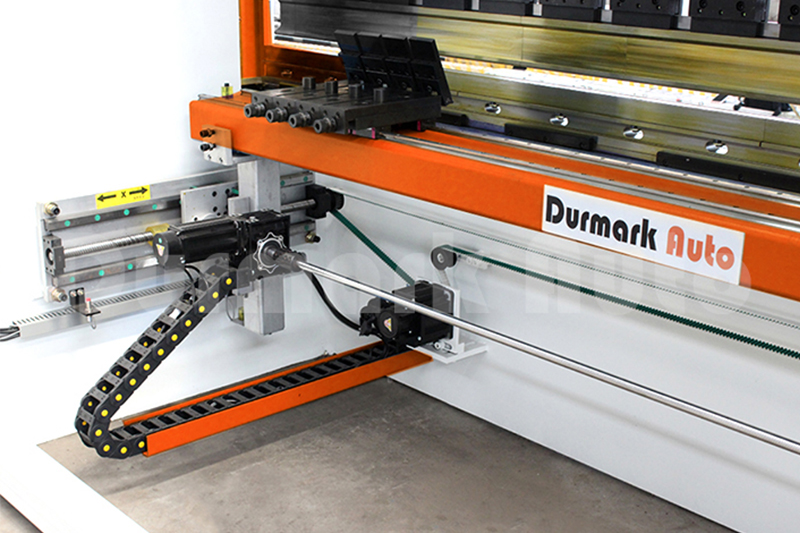
Precision bending, ensuring efficiency and accuracy in metal fabrication
In the metal fabrication industry, the quality of press brakes is crucial. Accurate bending data is key to ensuring product quality, production efficiency, and operational safety.
Press brakes are specialized equipment designed for the metal sheet bending process, aiming to provide precise, traceable bending capabilities and performance for various metal materials.
Provides precise bending dimensions with long-term stability
Suitable for automotive, construction, aerospace, and many other industries
Ensures long-term stable operation and low maintenance requirements
Helps businesses meet safety production and operation standards
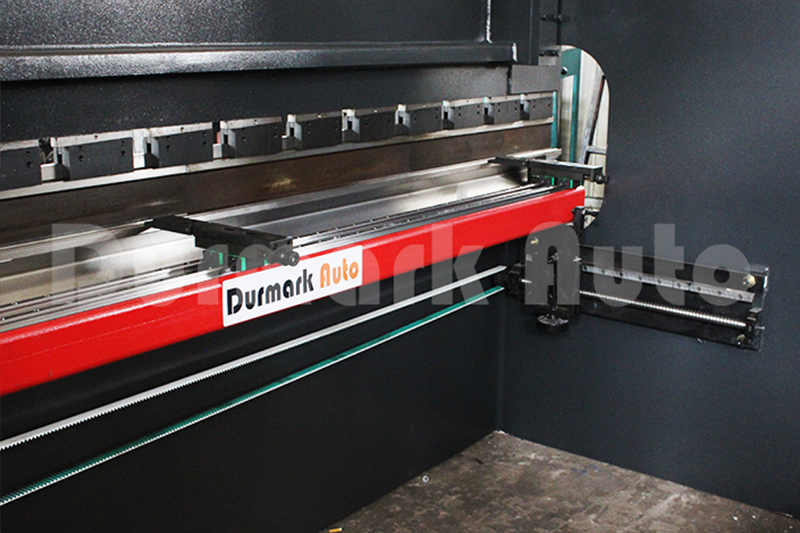
Press brakes can be categorized into several key types, each designed for specific bending needs and application scenarios.
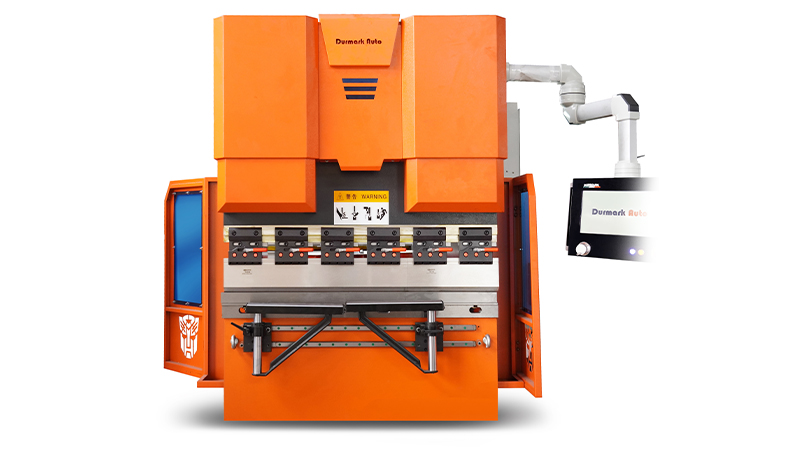
Hydraulic press brakes utilize a hydraulic system to provide powerful bending force, suitable for bending thick plates and high-strength materials. They are known for their high precision, stability, and durability, widely used in heavy manufacturing and construction industries.
Electric press brakes use electric servo motors to drive the bending process, offering high precision, energy efficiency, and quiet operation. They are ideal for applications requiring high accuracy and speed, especially in industries with strict environmental and energy consumption requirements.
| Press Brake Type | Typical Application | Key Features | Best For |
|---|---|---|---|
| Hydraulic Press Brakes | Thick plate, high-strength metal bending | Strong bending force, high precision, stable | Heavy-duty manufacturing, continuous production |
| Electric Press Brakes | Precision bending, high energy efficiency | Energy-saving, high precision, quiet operation | Precision parts, rapid prototyping, environmentally sensitive operations |
Integrate advanced CNC systems to achieve automated, high-precision bending, improving production efficiency and bending quality.
Includes punches, dies, and other accessories used to enhance press brake performance and extend service life.
Regular maintenance and upkeep are crucial for ensuring long-term stable operation and extending the service life of press brakes.
Press brakes can be purchased from various sources, but buying directly from reputable manufacturers often offers more advantages.
When selecting press brakes, several factors should be considered to ensure you're investing in high-quality products that meet your specific needs.
Press brakes are typically used to bend various metal sheets, such as carbon steel, stainless steel, aluminum plates, copper plates, etc. This depends on the type and bending capacity of the press brake.
Choosing a press brake model requires considering the type, thickness, and width of the material you need to bend, as well as your production volume and budget. It is recommended to consult a professional supplier for advice.
Yes, regular maintenance is essential to ensure the long-term stable operation and extended service life of press brakes, including tooling inspection, lubrication, hydraulic system checks, etc.
When purchasing, you should pay attention to the press brake's bending capacity, precision, automation level, safety protection, after-sales service, and the manufacturer's reputation. Be sure to choose equipment that meets your production needs.
Modern press brakes are usually designed with user-friendly operation interfaces, but professional training is still required for safe and efficient operation. CNC press brakes are relatively simpler to operate.
Tooling life depends on the hardness, thickness, bending frequency of the material being bent, as well as the quality and maintenance of the tools. Regular inspection and sharpening of tools can extend their service life.
Energy consumption varies for different types of press brakes. Hydraulic press brakes generally have higher energy consumption during bending, while mechanical press brakes have lower energy consumption at no load. Electric press brakes are typically the most energy-efficient. Choosing energy-efficient motors and optimizing operations can reduce energy consumption.
Press brakes produce some noise during operation, especially mechanical press brakes. Modern press brakes usually incorporate noise reduction measures, but it is still recommended that operators wear hearing protection equipment.
Press brakes are essential for maintaining the precision, reliability, and compliance of your metal fabricated materials. From general-purpose to CNC press brakes, these specialized equipment ensure precise bending in various applications.
Explore the comprehensive selection of professional press brakes from trusted manufacturers today. Whether you're a metal fabrication expert or managing production processes, investing in quality press brakes will ensure your bends are always precise and reliable.
Shop Professional Press Brakes Now